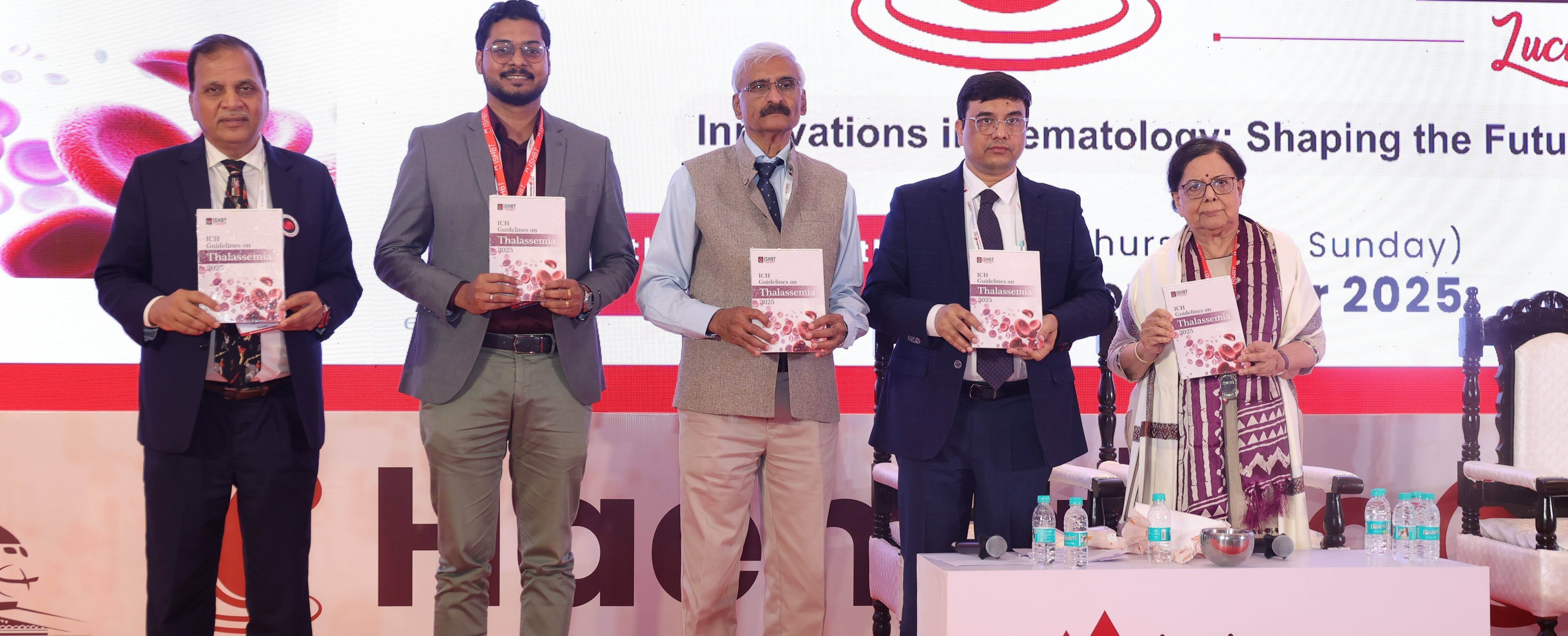
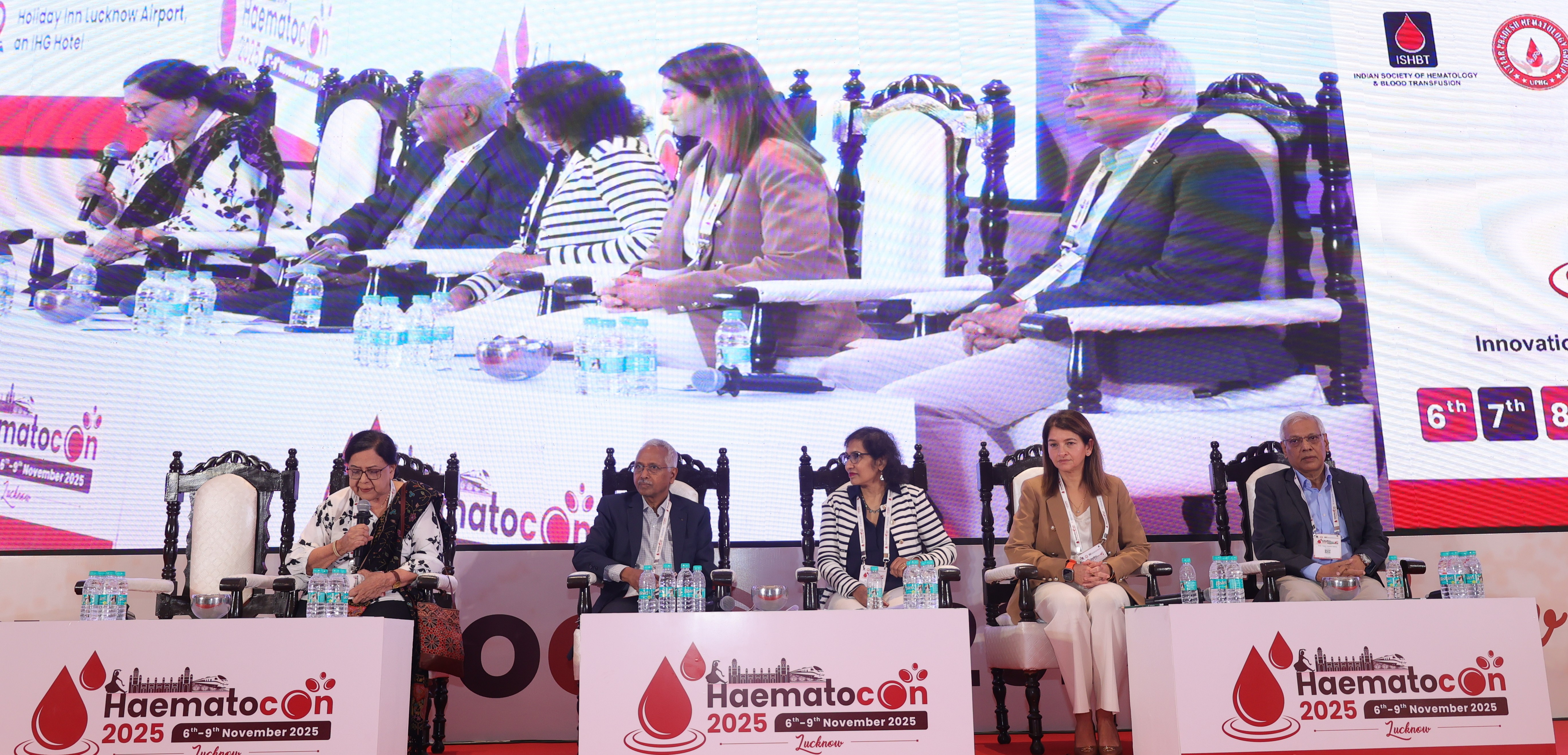
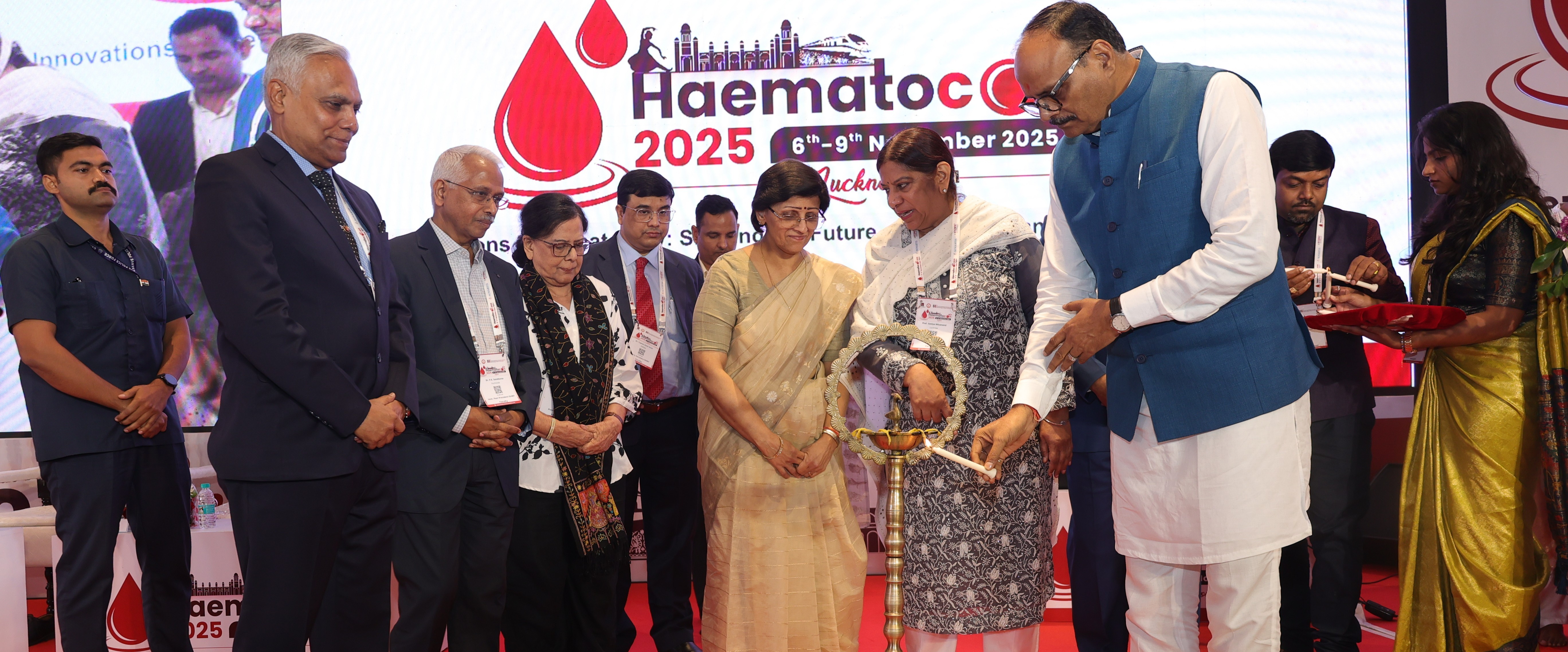
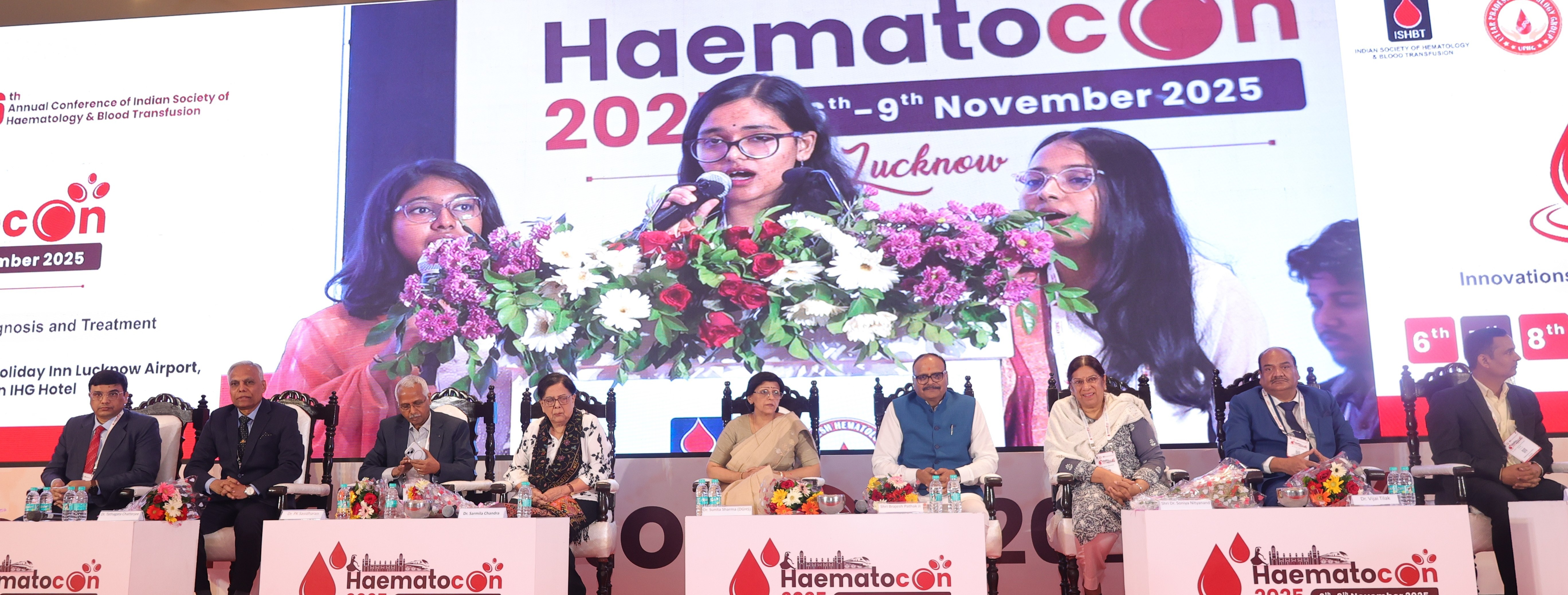
Indian Society of Haematology and Blood Transfusion (ISHBT)

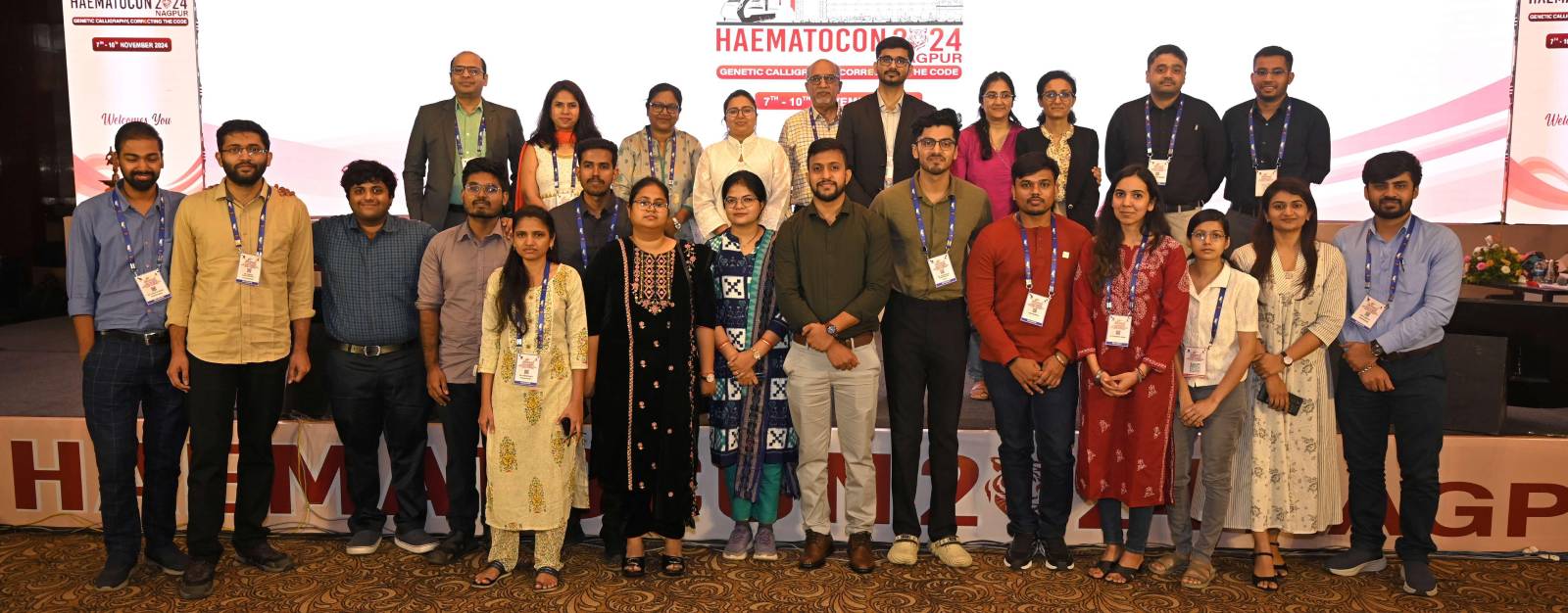
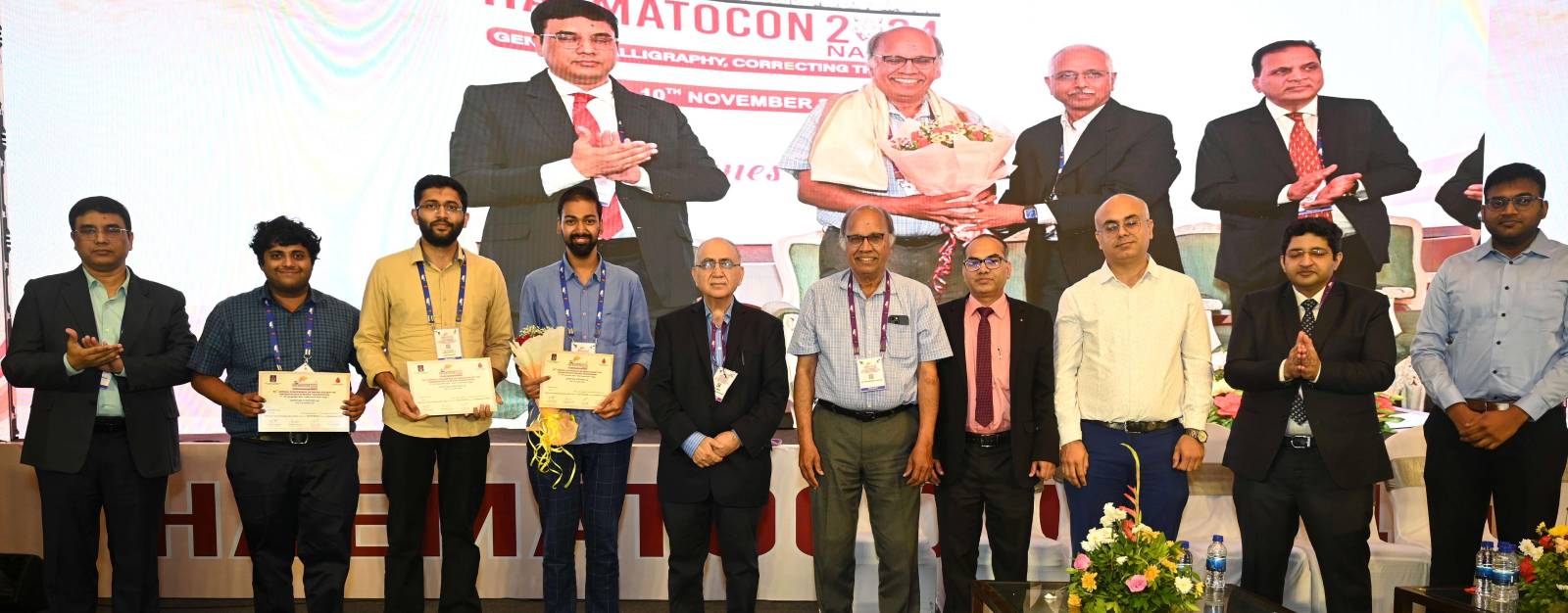
The Indian Society of Haematology and Blood Transfusion (ISHBT) is a non-governmental, not-for-profit professional membership organization established in 1959. The Society is dedicated to promoting excellence in patient care, research, and education in clinical and laboratory haematology. With a strong network of over 2,400 life members, ISHBT serves as a dynamic and inclusive platform for haematologists across India and beyond. It actively fosters academic advancement through its Annual National Conference, peripheral Continuing Medical Education (CME) programs, workshops, symposia, regular newsletters, and national scientific meetings that bring together leading experts and trainees from around the globe. ISHBT conducts quizzes for undergraduate, postgraduate, and postdoctoral students to foster interest in the field of haematology. The Society also awards various prizes, research grants, and medals to encourage academic excellence and stimulate research among young scholars. To further strengthen haematology awareness and outreach, ISHBT organizes Community Haematology Programs and social outreach initiatives, particularly in smaller and underserved regions, to enhance awareness and promote best practices in the field.

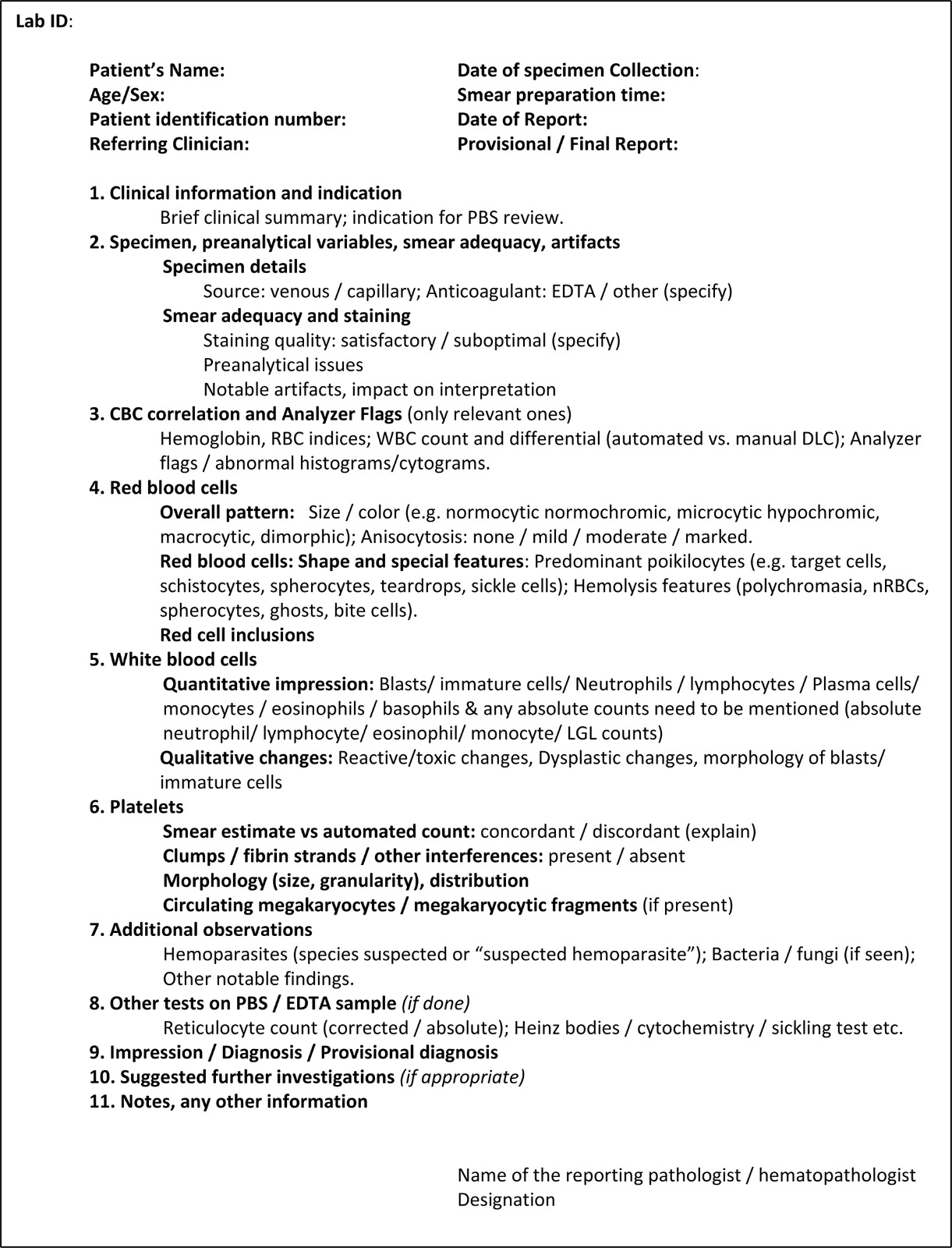
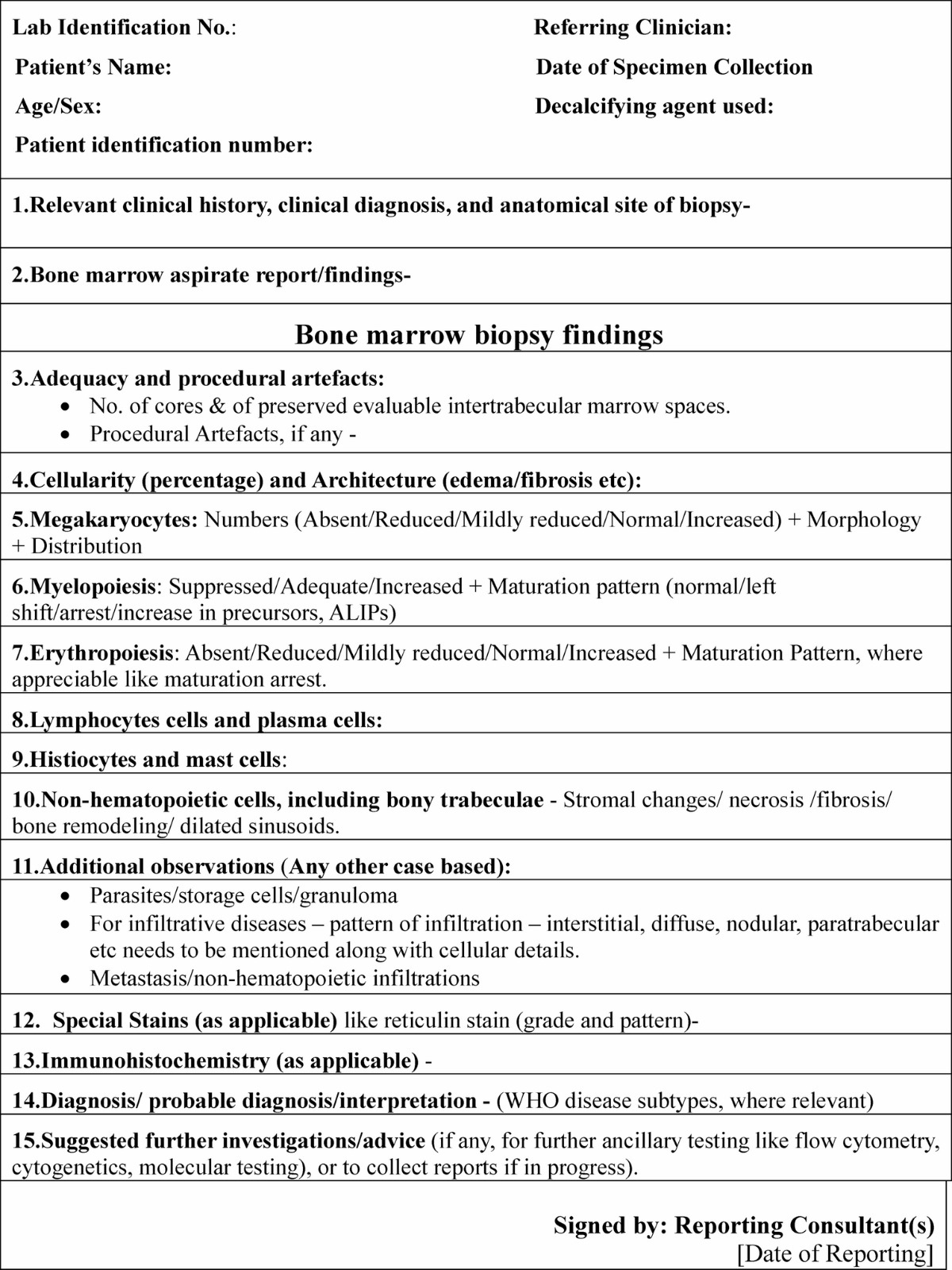
Through international collaborations with the European Haematology Association (EHA), the American Society of Haematology (ASH), and the Japanese Society of Haematology (JSH), as well as academic partners across Asian countries, ISHBT provides young haematologists with valuable global exposure and opportunities for knowledge exchange on international platforms. ISHBT publishes its official bi-monthly journal, the Indian Journal of Haematology and Blood Transfusion (IJHBT). The journal is a peer-reviewed medical publication that showcases high-quality research from across India and around the world and has an established impact factor. The Society also plays an important advisory role in supporting the Government of India in formulating national guidelines for the prevention and treatment of haematological disorders. ISHBT has contributed significantly to the launch and implementation of various national programs. It has published evidence-based guidelines on Sickle Cell Disease, Thalassemia, and Nutritional Anaemia, and is currently developing guidelines on Aplastic Anaemia, Bone Marrow Aspiration and Biopsy Reporting, Acute Myeloid Leukemia (AML), Bone Marrow Transplantation, Haemophilia, and other key disorders. These initiatives aim to ensure uniform standards of treatment across the country, reinforcing ISHBT’s commitment to advancing haematology practice and improving patient outcomes.
Indian Journal Of Hematology and Blood Transfusion

Read Our Journals

Card image

Indian College of Hematology (ICH)& Indian Council of Medical Research (ICMR) Joint Consensus Document on Management and Control of Sickle Cell Disease in India

Card image

Molecular Genetics and Recent Management Strategies of HB E-β Thalassemia

Card image

Gene Therapy for Sickle Cell Anemia in India - Current Status and Challenges

Card image

Synergistic Potential of Thalidomide and Hydroxyurea in Sickle Cell Disease Management: A Promising Combination Therapy

Card image

The Effect of Benson’s Relaxation Technique on the Quality of Life of Adolescents Undergoing Bone Marrow Transplantation

Card image

Autologous Stem Cell Transplantation for High-Risk Neuroblastoma - A Real-World Evidence from A Tertiary Cancer Care Center in Southern India

Card image

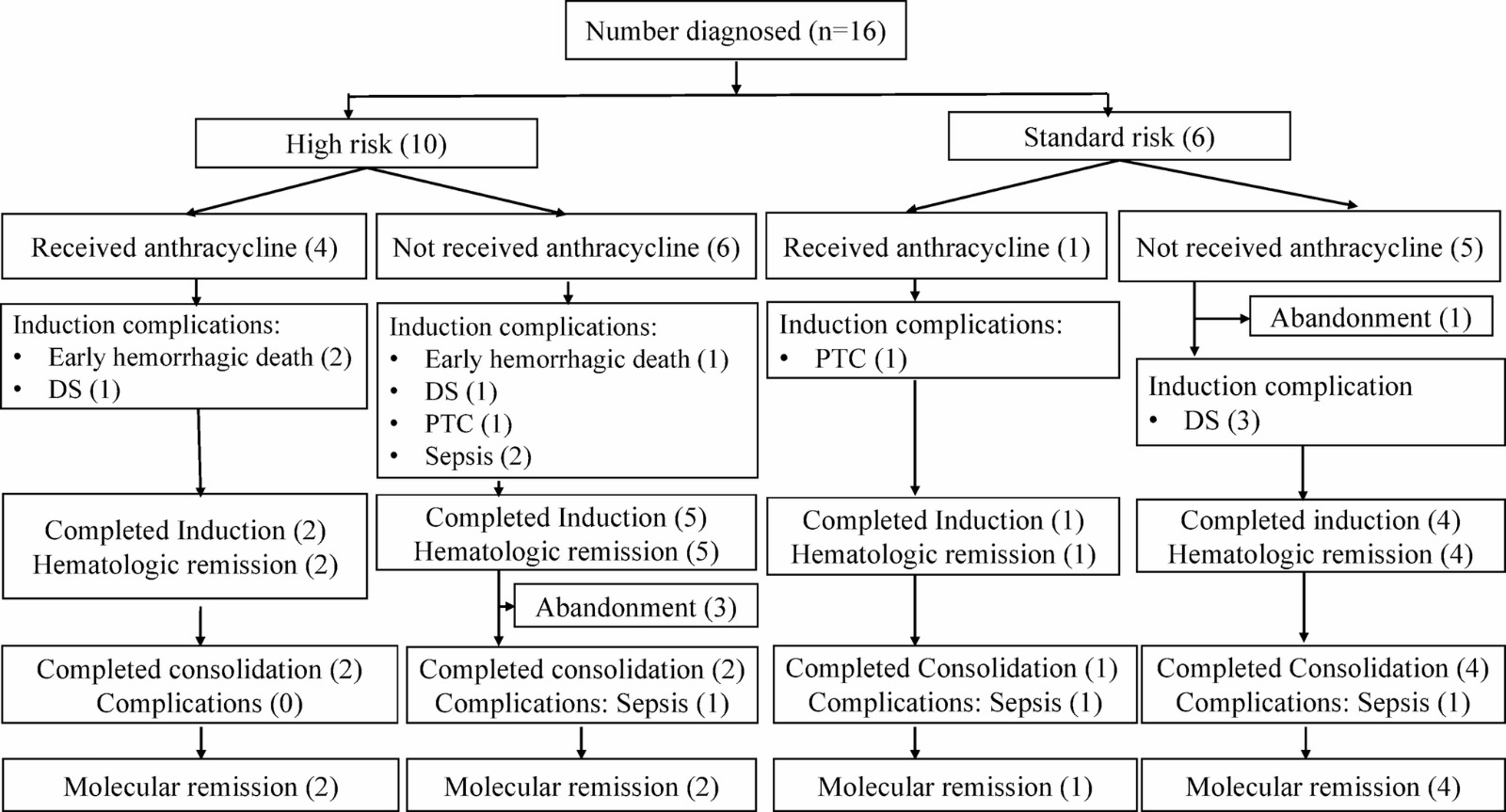
Achieving outcomes in APL comparable to developed countries, a single center experience from Pakistan

Card image

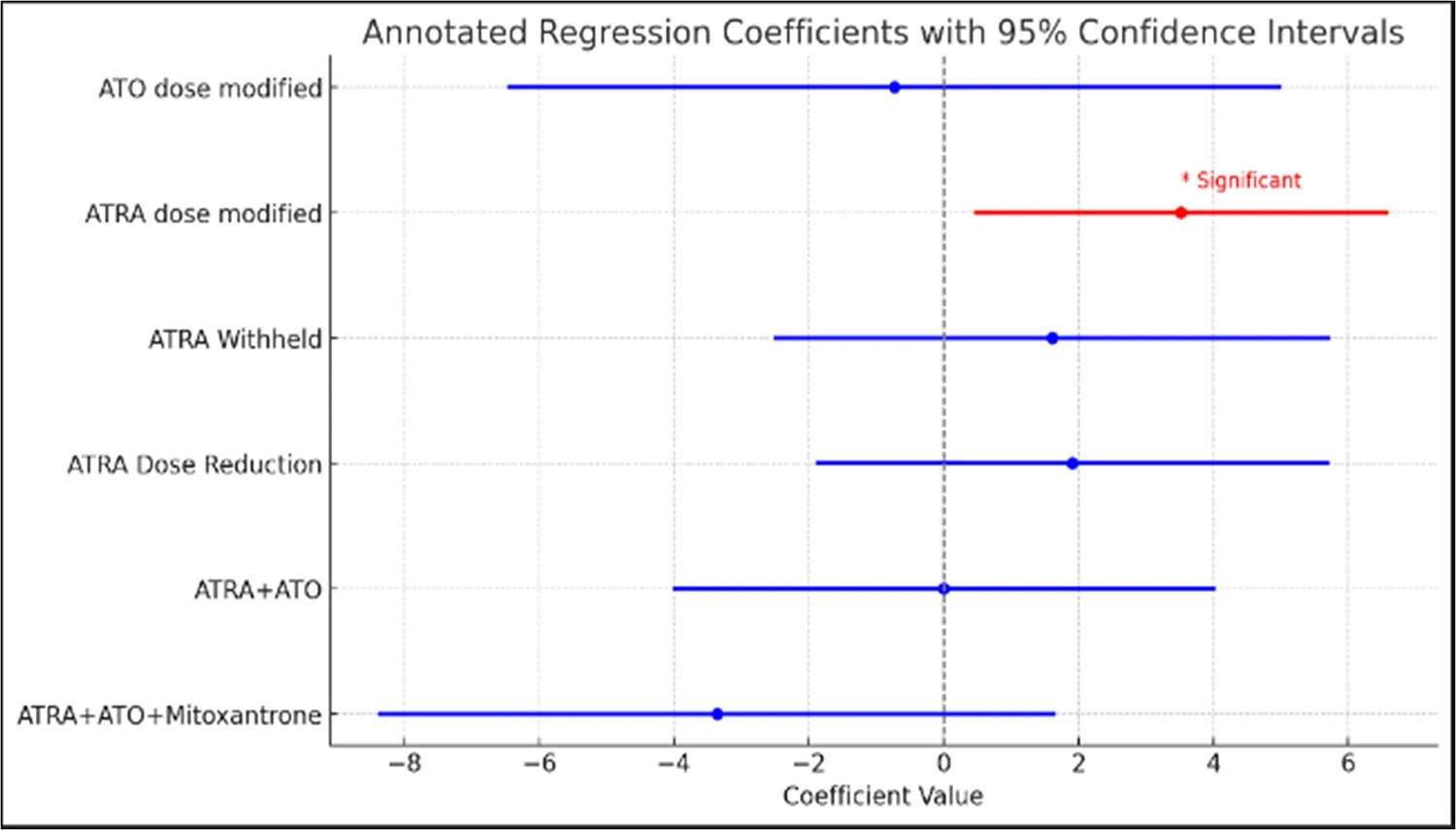
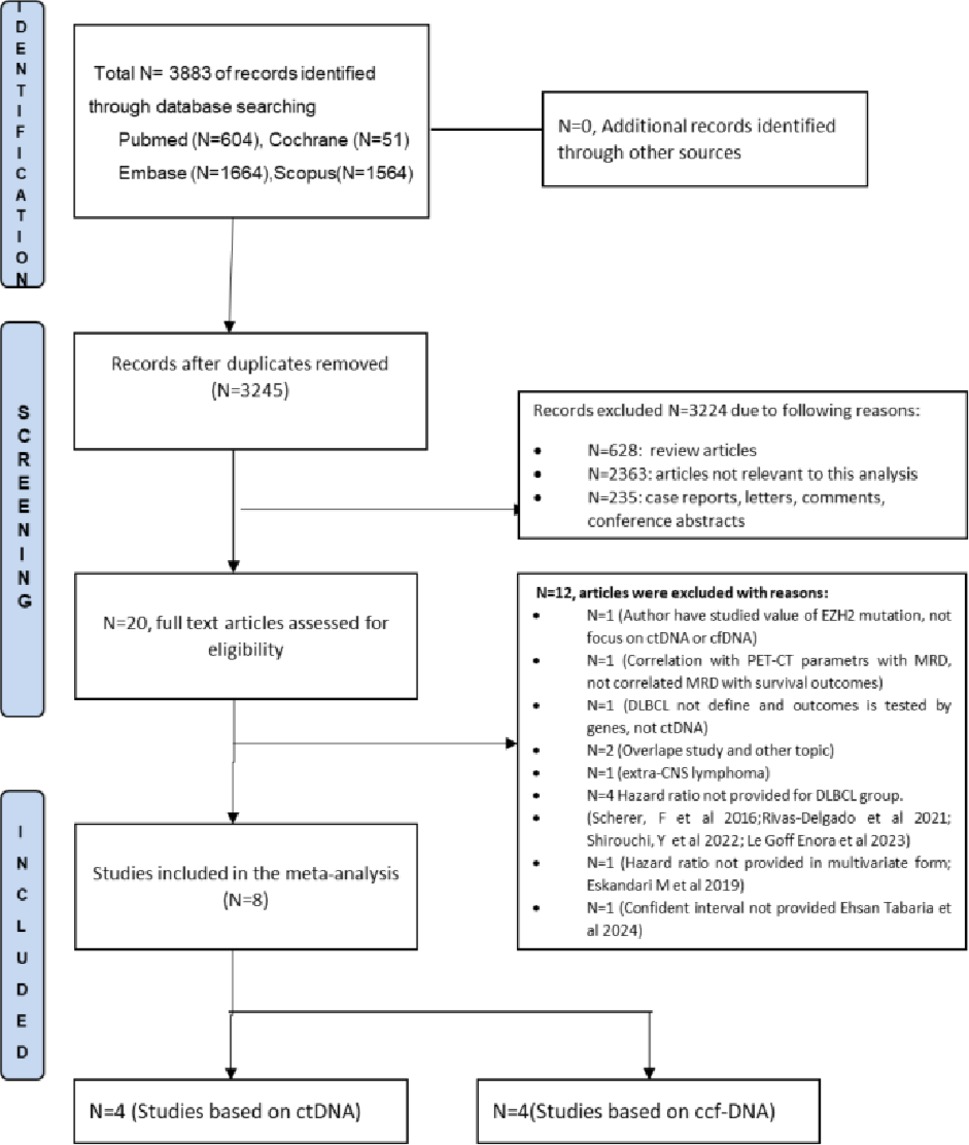
Predictors of Differentiation Syndrome in Patients with Acute Promyelocytic Leukemia Following Induction Therapy: A Meta-Analysis

Card image

Expression of Programmed Death Ligand 1 (PD-L1) in Classical Hodgkin Lymphoma– Study from a Tertiary Care Cancer Centre in South India

Card image

Characteristics and Outcomes of Patients with Hodgkin Lymphoma with Paraneoplastic Manifestations

Card image

A Retrospective Analysis of Primary Bone Marrow Lymphoma: Clinical Features and Prognostic Factors

Card image

Clinical Characteristics and Treatment Outcomes of Patients with Waldenstrom Macroglobulinemia

Card image

Evaluation of Diagnostic Accuracy of Sickle SCAN™, and Gazelle™ for Screening Hemoglobin S in india

Card image

Unveiling Bone Health in Sickle Cell Disease: A Comprehensive Analysis of Bone Mineral Density

Card image

Impact of HBS1L-MYB Gene Single Nucleotide Polymorphisms on Fetal Hemoglobin Expression in Moroccan Sickle Cell Anemia Children: Preliminary Results

Card image

Sickle Cell Disease in Central India: Haematological and Clinical Insights from a Large Cohort of Patients

Card image

Efficacy and Safety of Rituximab as Frontline Therapy for Eradication of Inhibitors in Congenital Haemophilia A

Card image

Pharmacokinetics of Factor VIII in Adults with Hemophilia: A 24-Hour Single-Sample Study Focused on Trough Levels

Card image

The International Society on Thrombosis and Haemostasis Bleeding Assessment Tool’s Usefulness as a Screening Questionnaire for Diagnosing and Assessing the Severity of Glanzmann Thrombasthenia in Children from Northeast Egypt

Card image

Clinicopathological Spectrum of Functional Platelet Disorders Diagnosed Using Light Transmission Aggregometry

Card image

SAR317461 Inhibit JAK2/STAT3 Phosphorylation for Enhanced Anti-leukemia Activity

Card image

Evaluation of SLC38A1 in Pediatric and Adult Acute Leukemias; A Potential New Prognostic Factor

Card image

The Impacts of Lanthanum and Iron Binding To Human Serum Apo-Transferrin on Plasma Transportation and Biochemical Processes in Iron Metabolism

Card image

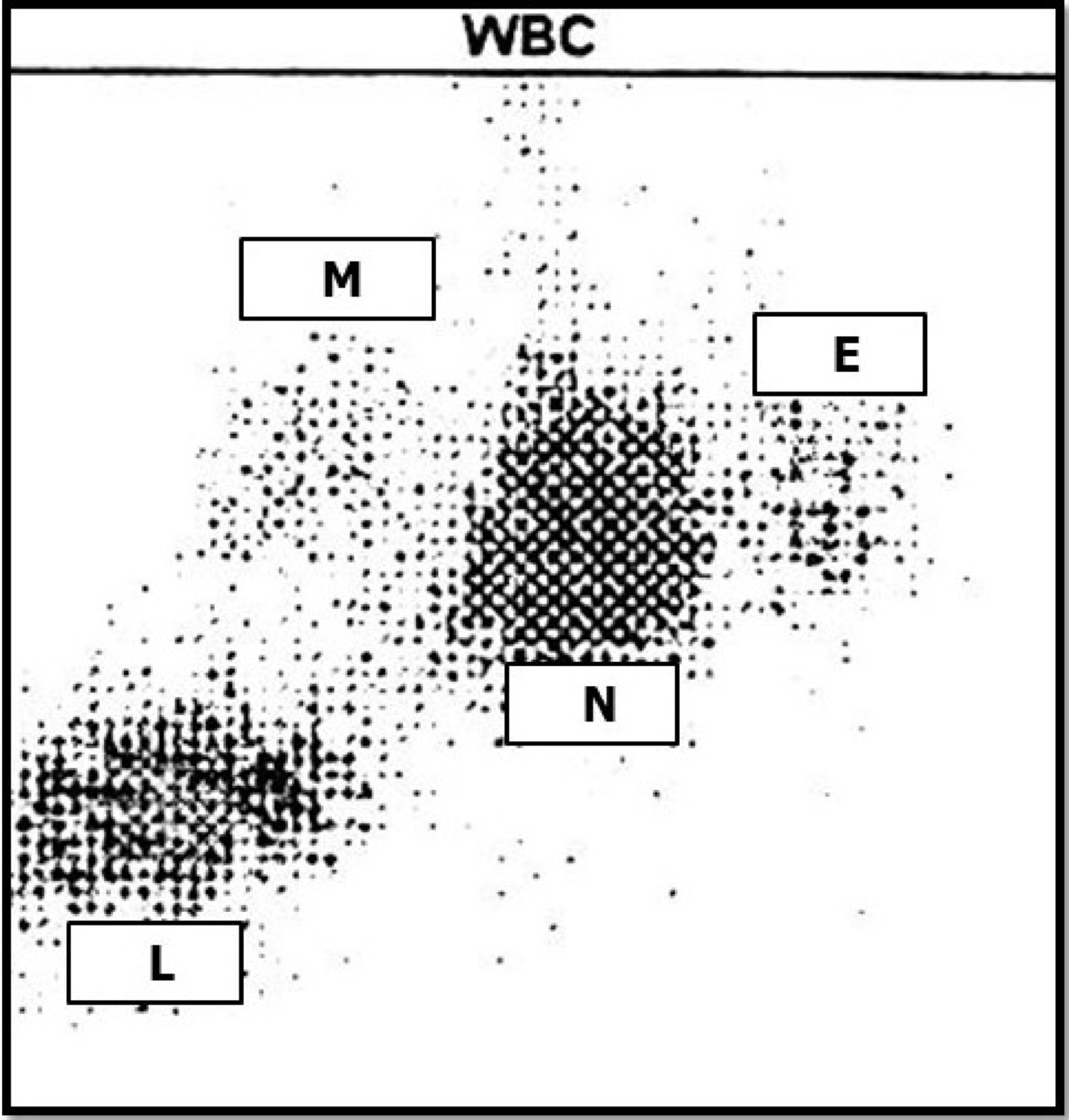
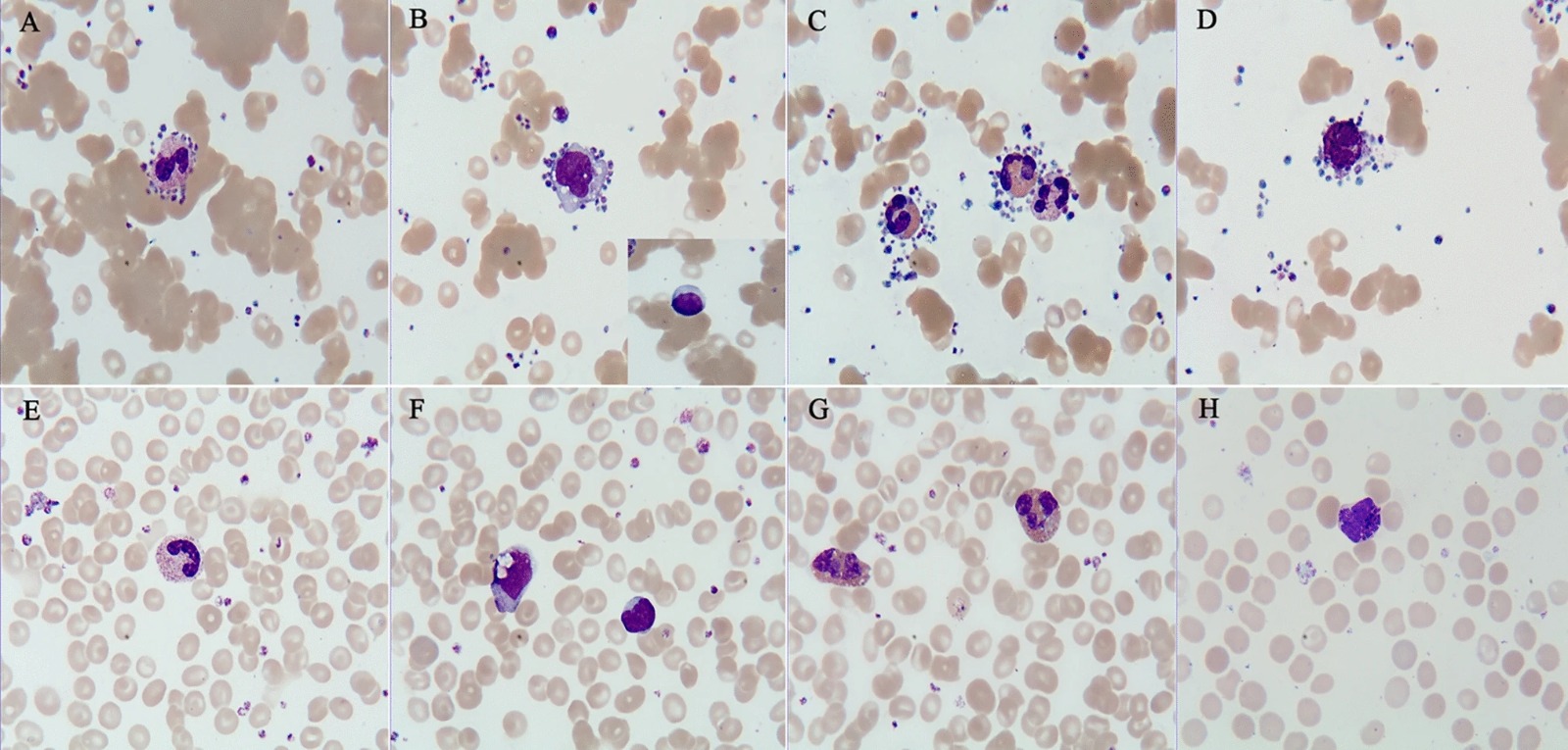
Utility of Leukocyte Volume, Conductivity and Scatter Parameters in the Diagnosis and Follow-Up of Infections

Card image

Assessment of the Quality Parameters of Umbilical Cord Blood for Transfusion

Card image

Experimental Study on the Influence of Different Storage Conditions (Temperature, Duration) on Platelet Count, LDH, and Growth Factor Concentration in Platelet-Rich Plasma

Card image

Hereditary Hemorrhagic Telangiectasia—Uncommon Findings and Novel Genetic Variants: A Single Centre Case Series from Southern India

Card image

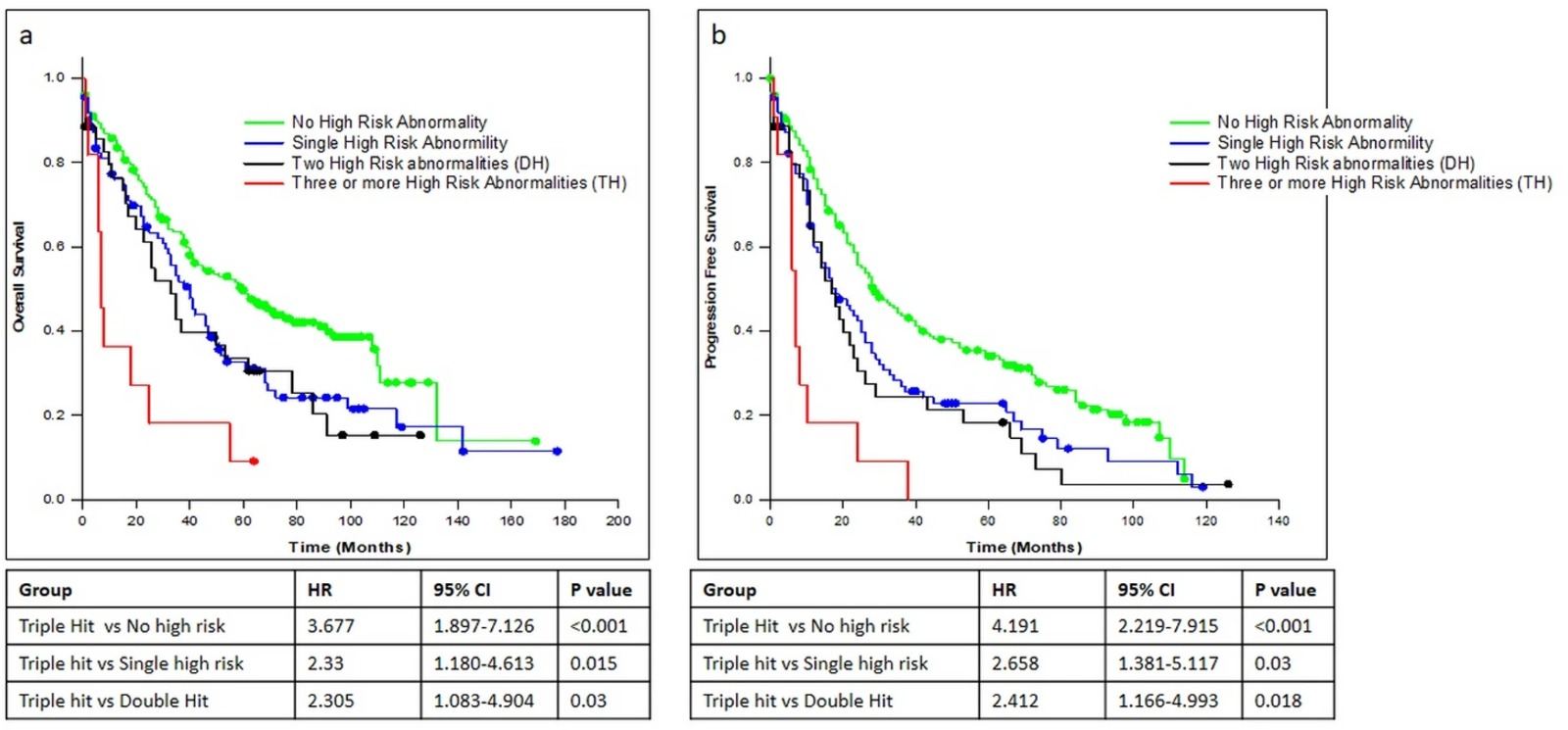
Unveiling the Genetic and Immunophenotypic Landscape of Chronic Lymphocytic Leukemia in Indian Cohort

Card image

Impact of Angiotensin-Converting Enzyme Inhibitors on Disease Symptoms in Patients with Chronic Myeloproliferative Neoplasms

Card image

Luspatercept Promotes Hematopoietic Recovery in Patients with Hematological Malignancies: A Series of Five Cases

Card image

Persistent Impairment in Humoral Immunity and B-lymphocyte Count in Patients Over 12 Years Treated with BFM 90-Based Combination Chemotherapy for Acute Lymphoblastic Leukemia

Card image

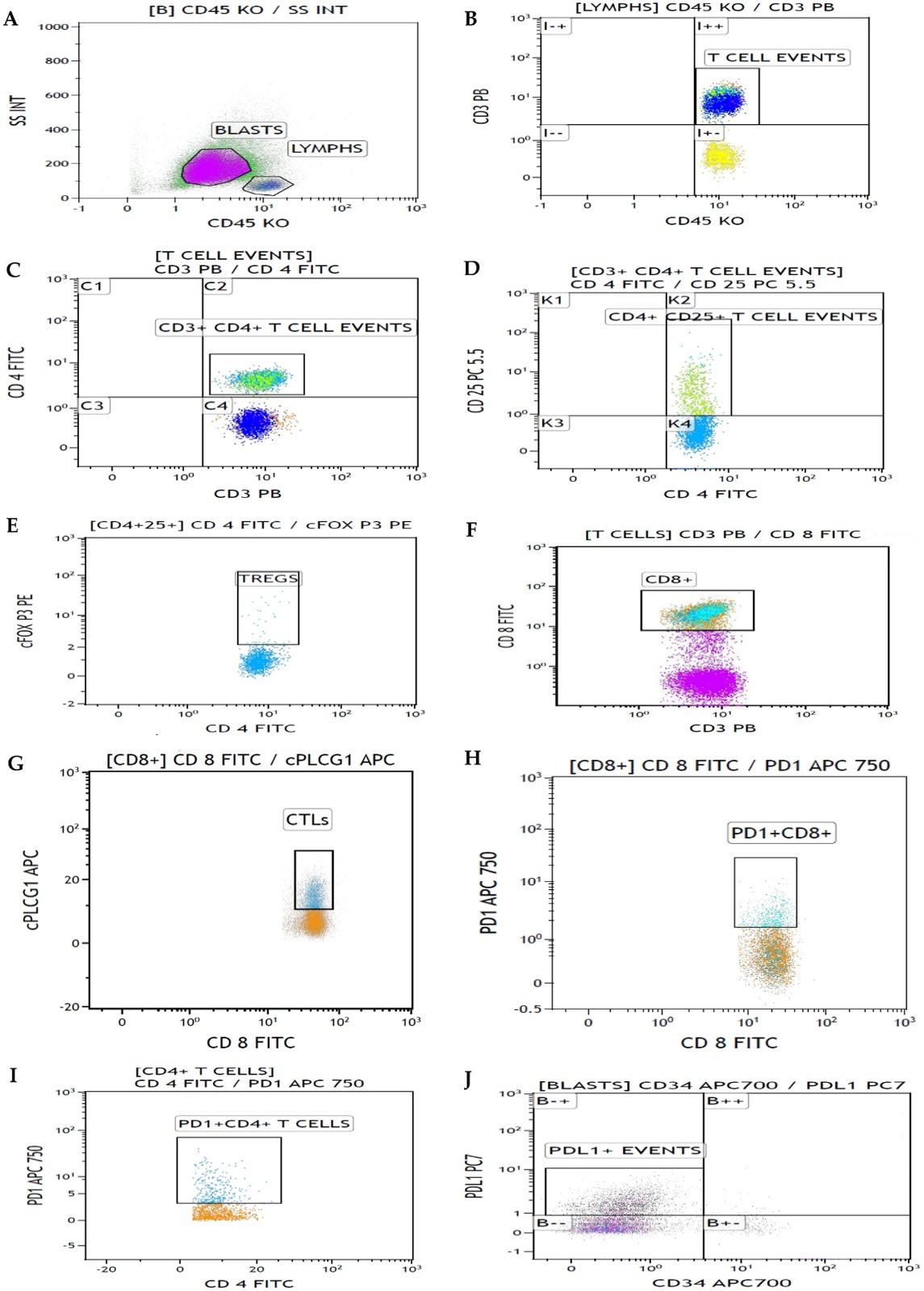
An Untimely Occurrence of Differentiation Syndrome in APL- Better be Suspicious

Card image

A Rare Case of Sitosterolemia Without Dyslipidemia

Card image

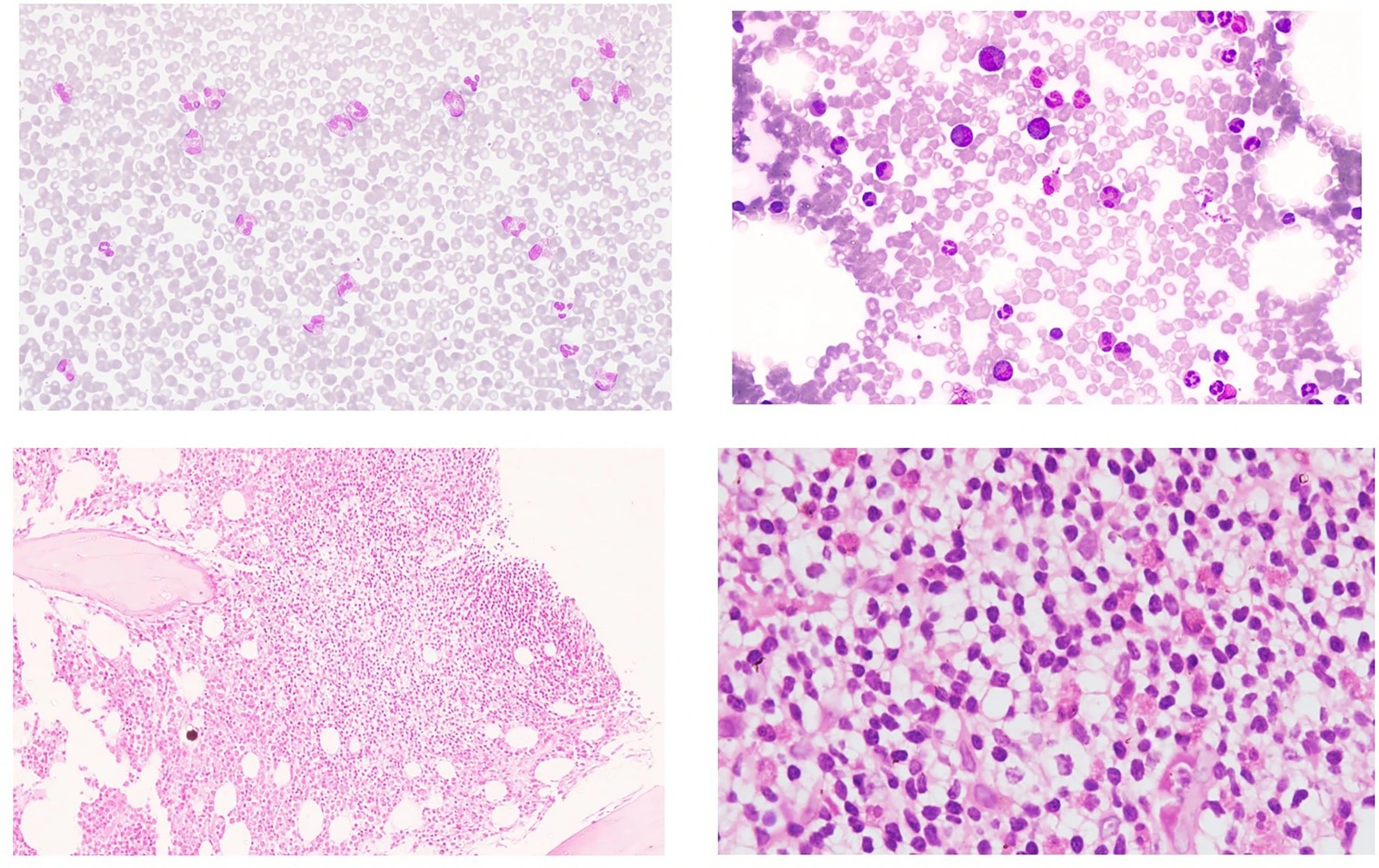
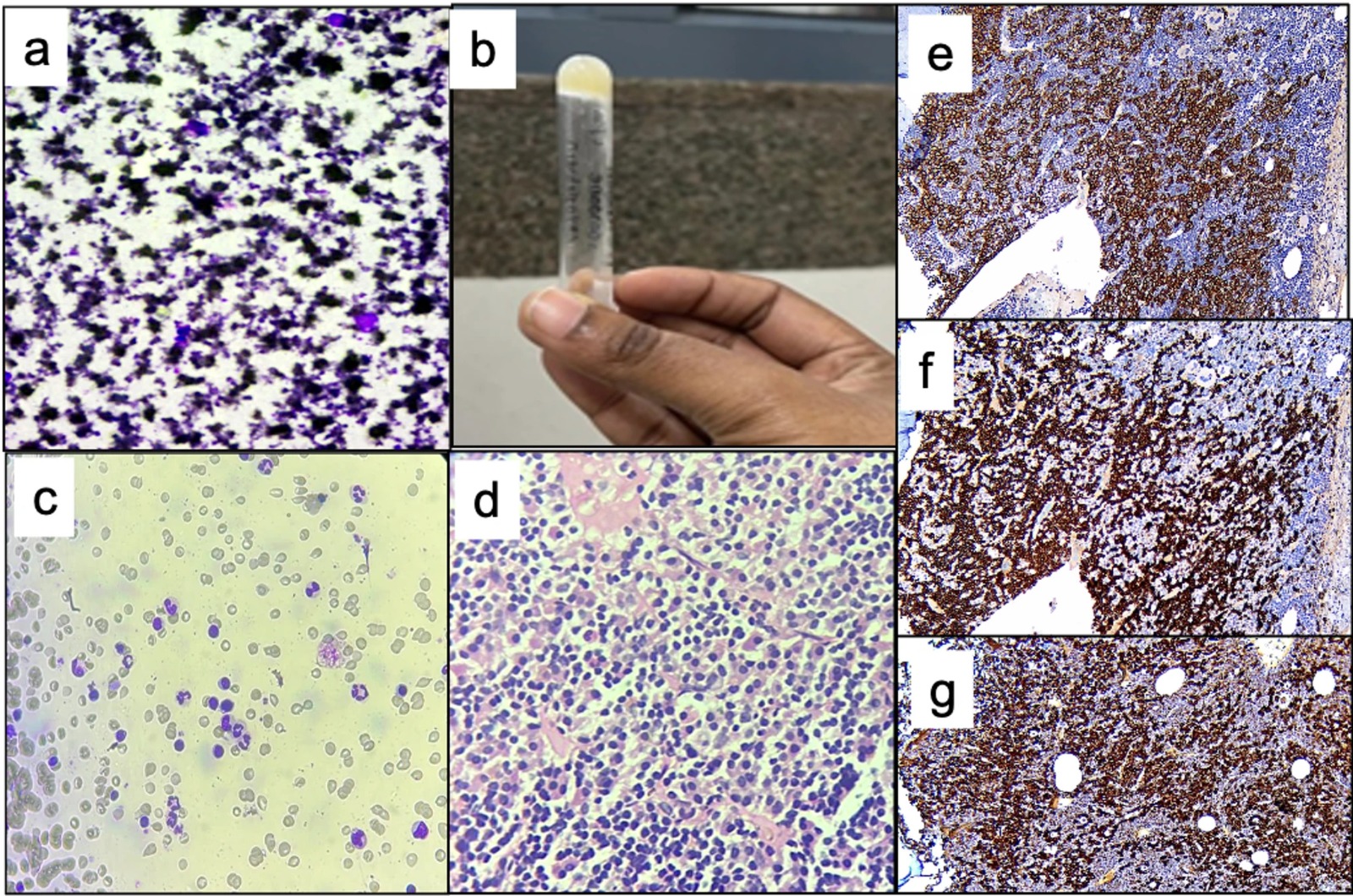
Idiopathic Hypereosinophilic Syndrome in a Child– Rare Disease with Fulminant Clinical Course

Card image

Triple-Positive Antiphospholipid Antibody Profile: A Call to Rethink Second Time Point Testing

Card image

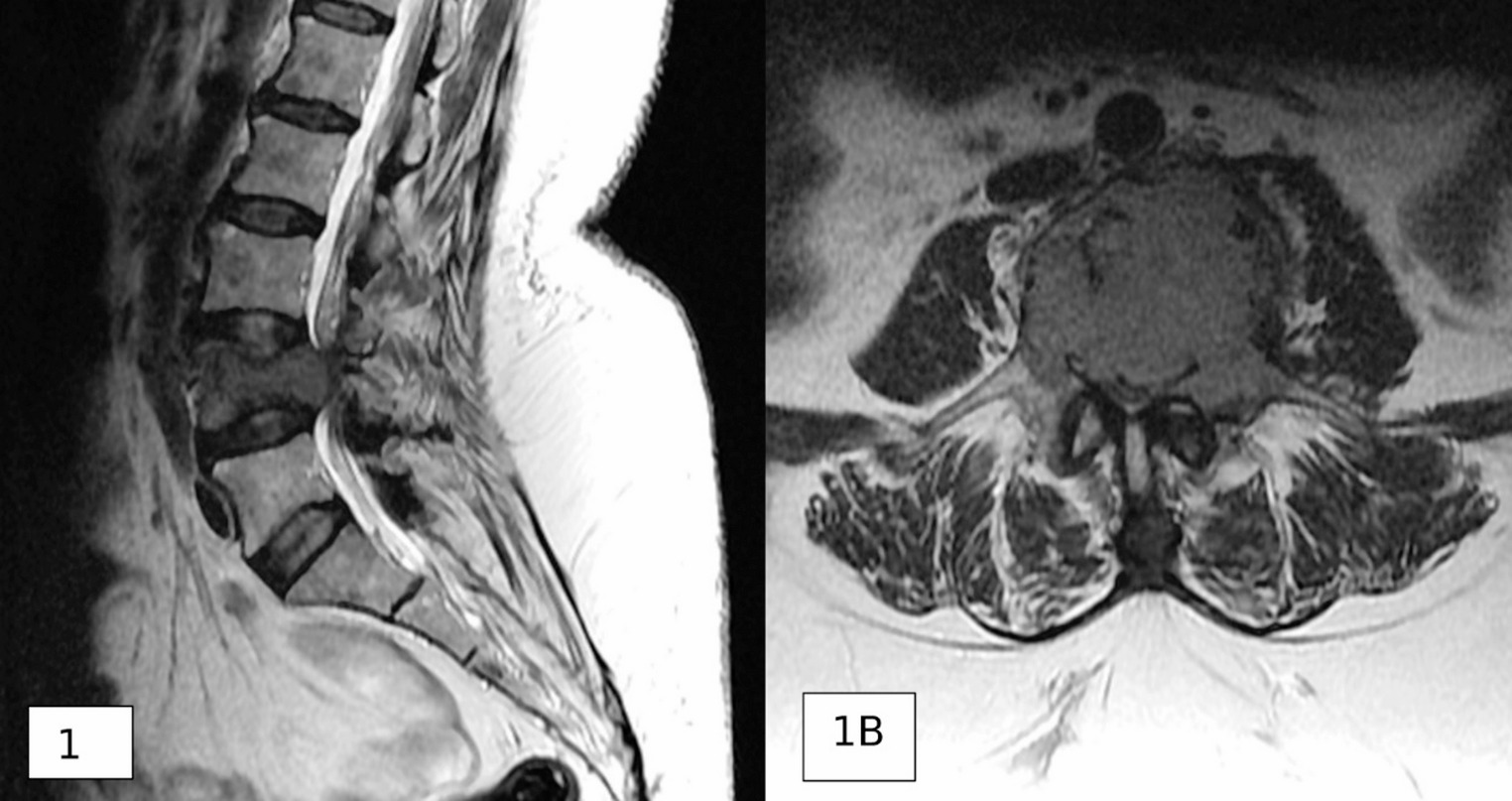
Diffuse Alveolar Septal Amyloidosis and Paravertebral Amyloidoma Presenting as Exertional Desaturation

Card image

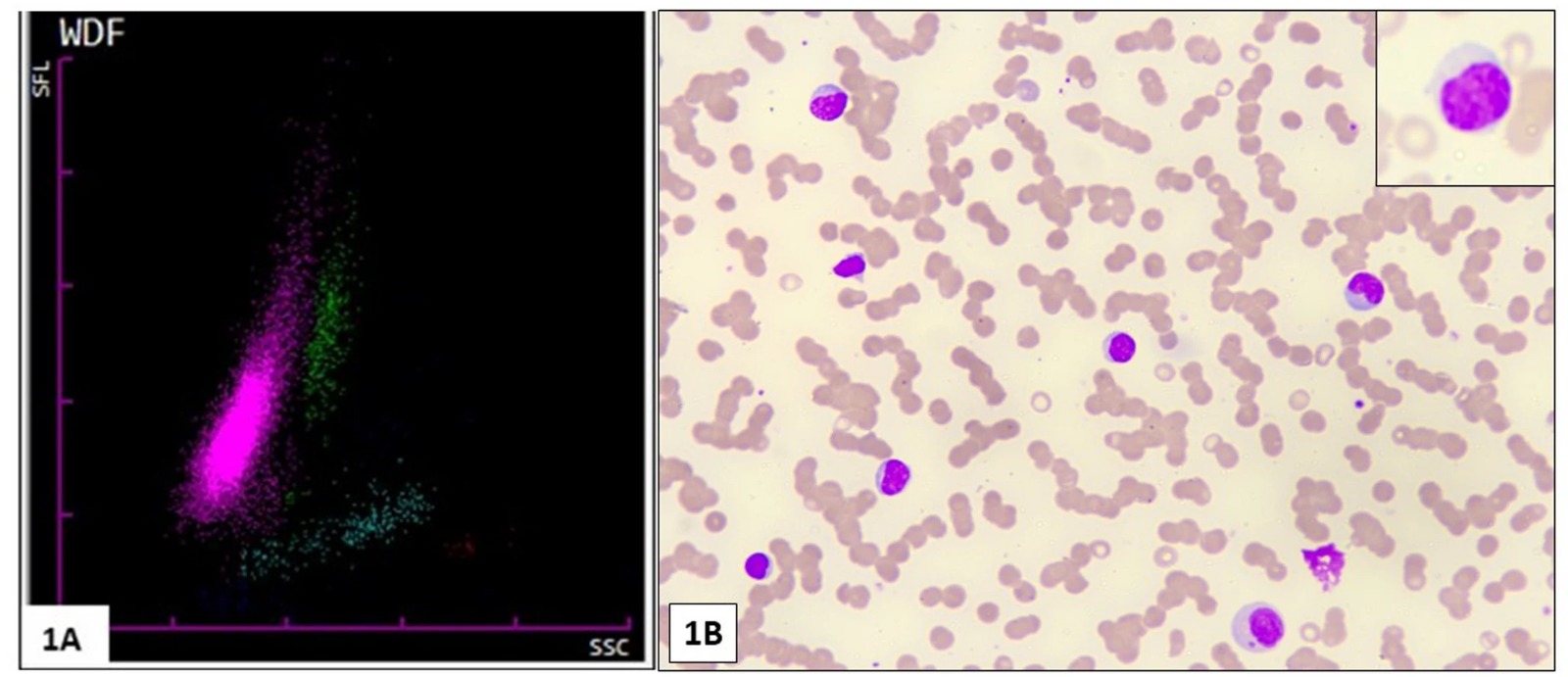
Chronic Myeloid Leukemia or its Impersonators? A Three-Case Analysis of Morphological Overlap

Card image

The Floral Masquerade in the Bone Marrow: A Diagniostic Dilemma

Card image

CD45-Positive Small Lymphocyte-Like Myeloma with IGH::CCND1 Fusion and TP53 Mutations

Card image

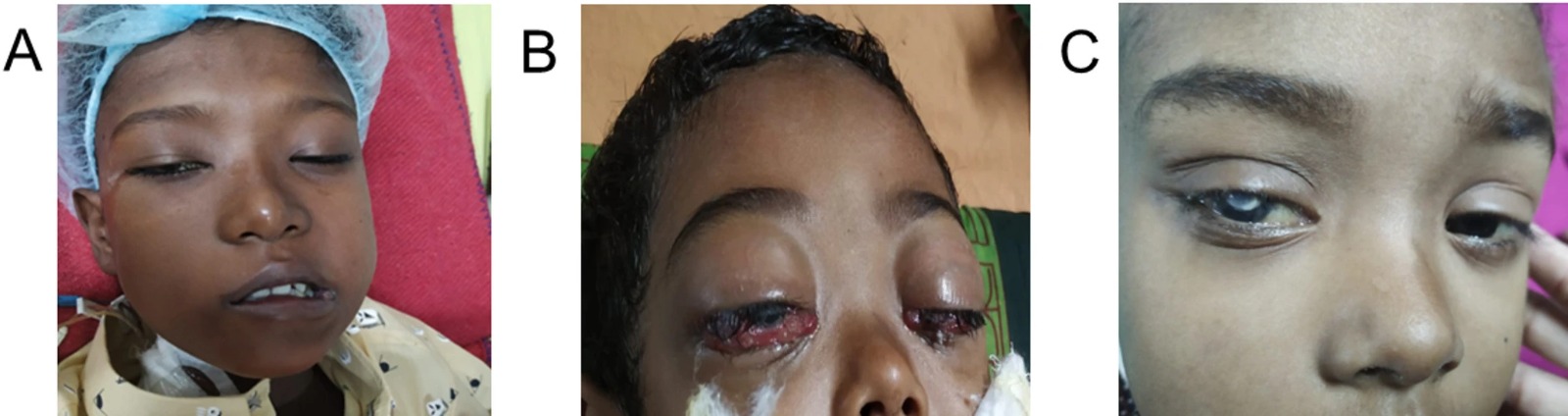
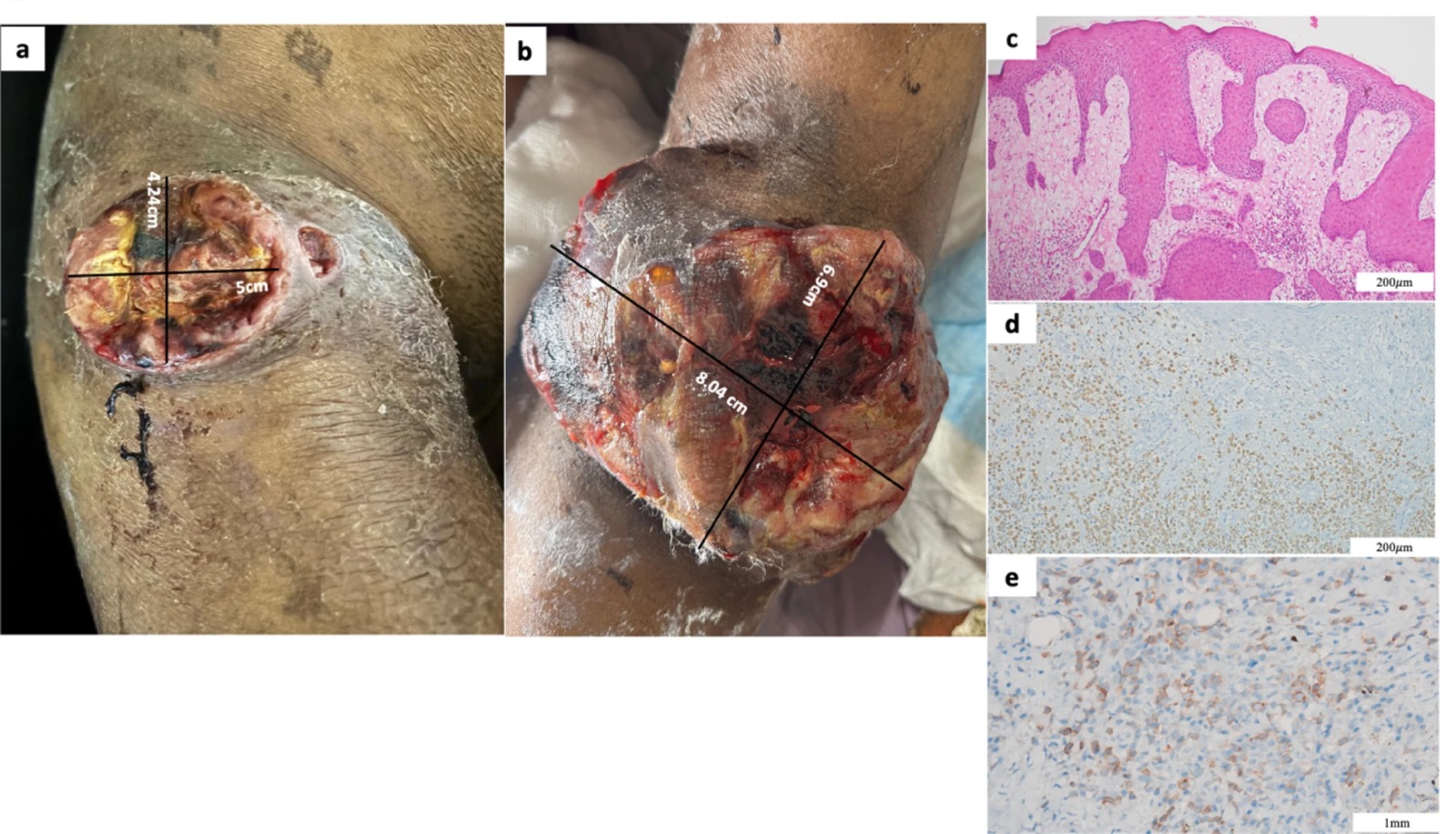
Penile Ulcerations in a Patient with Acute Promyelocytic Leukemia

Card image

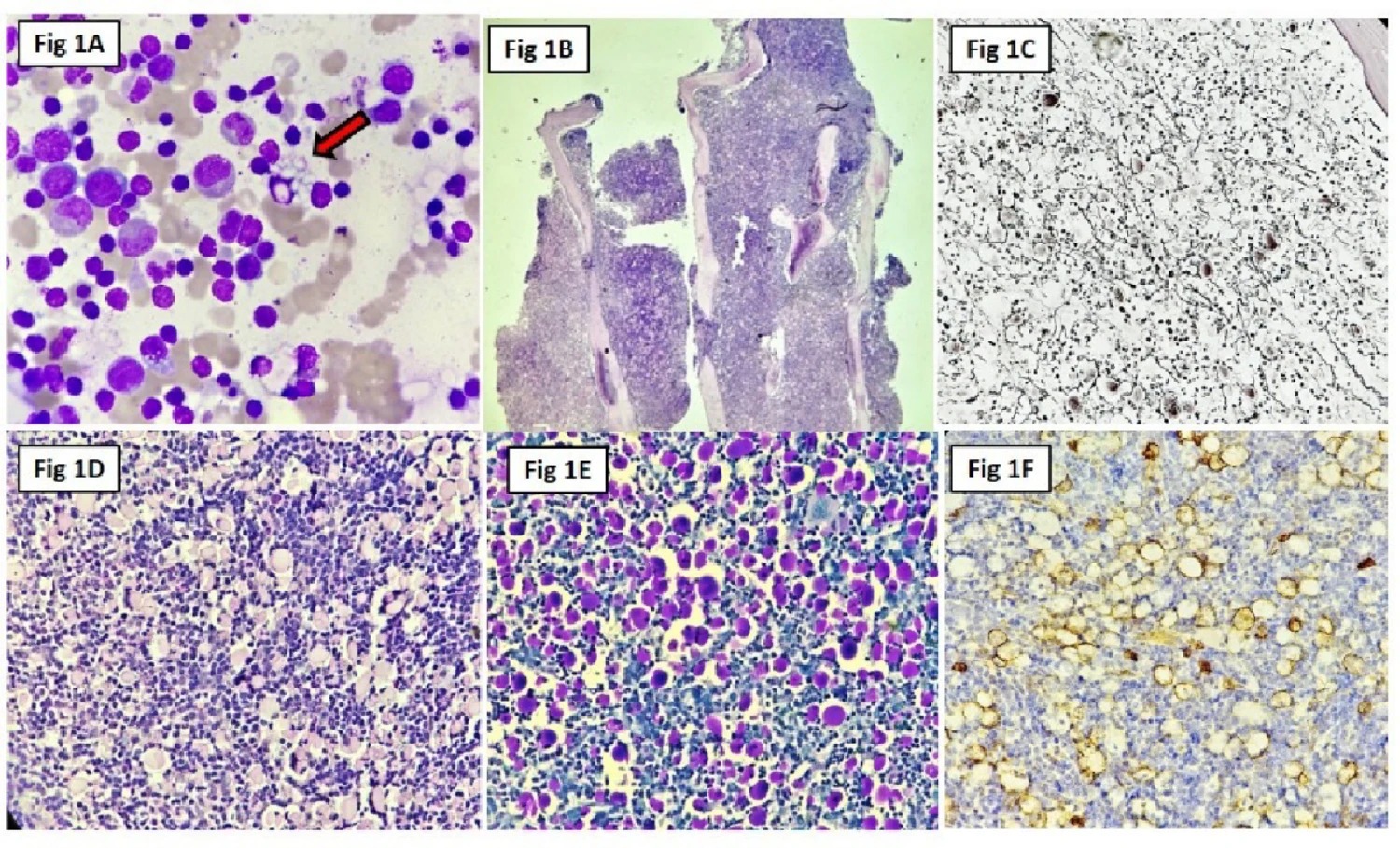
Crystal-Storing Histiocytosis as a Red Herring in Multiple Myeloma

Card image

When Systemic Lupus Erythematosus Meets Massive Splenomegaly: A Storage Disorder in Disguise

Card image

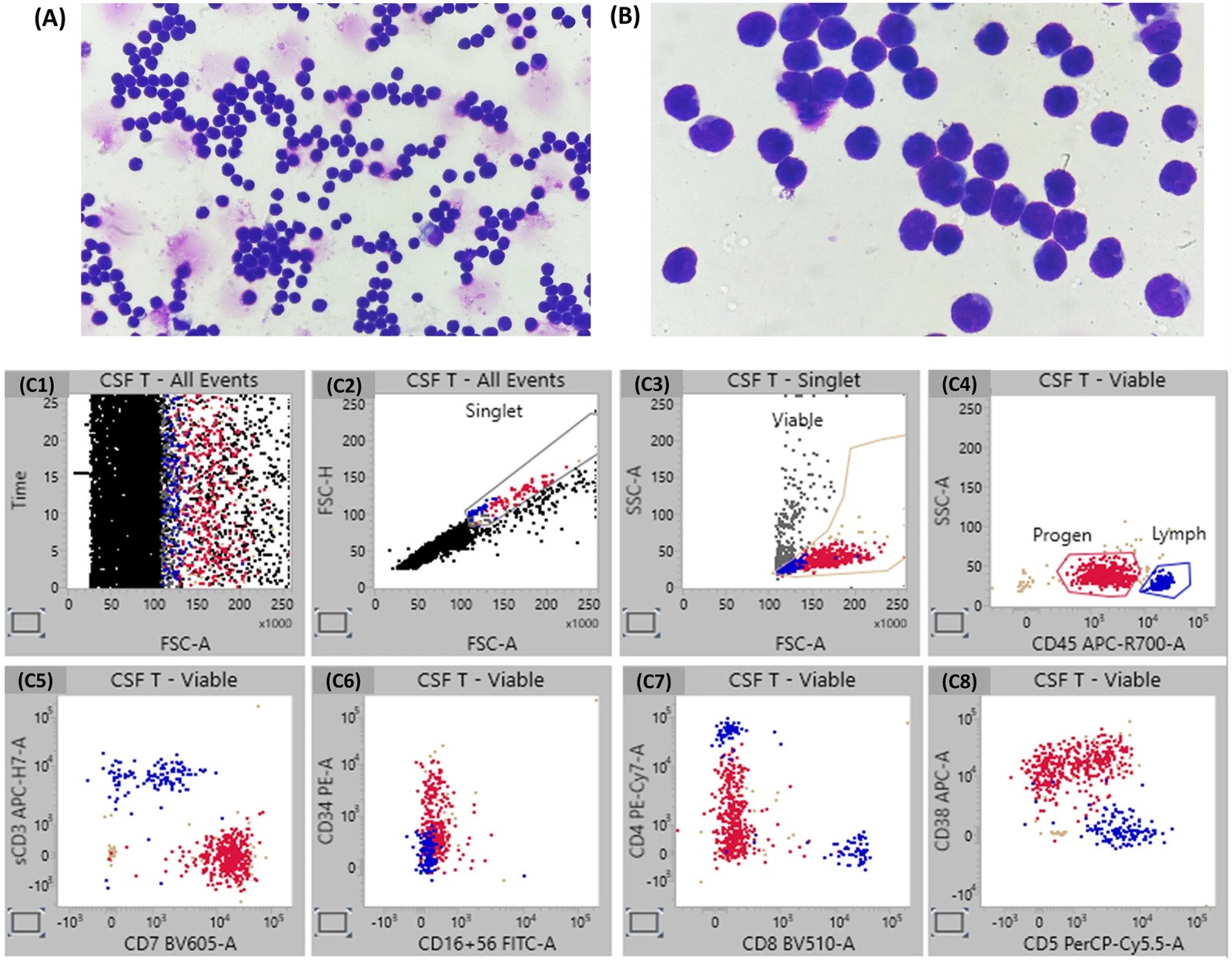
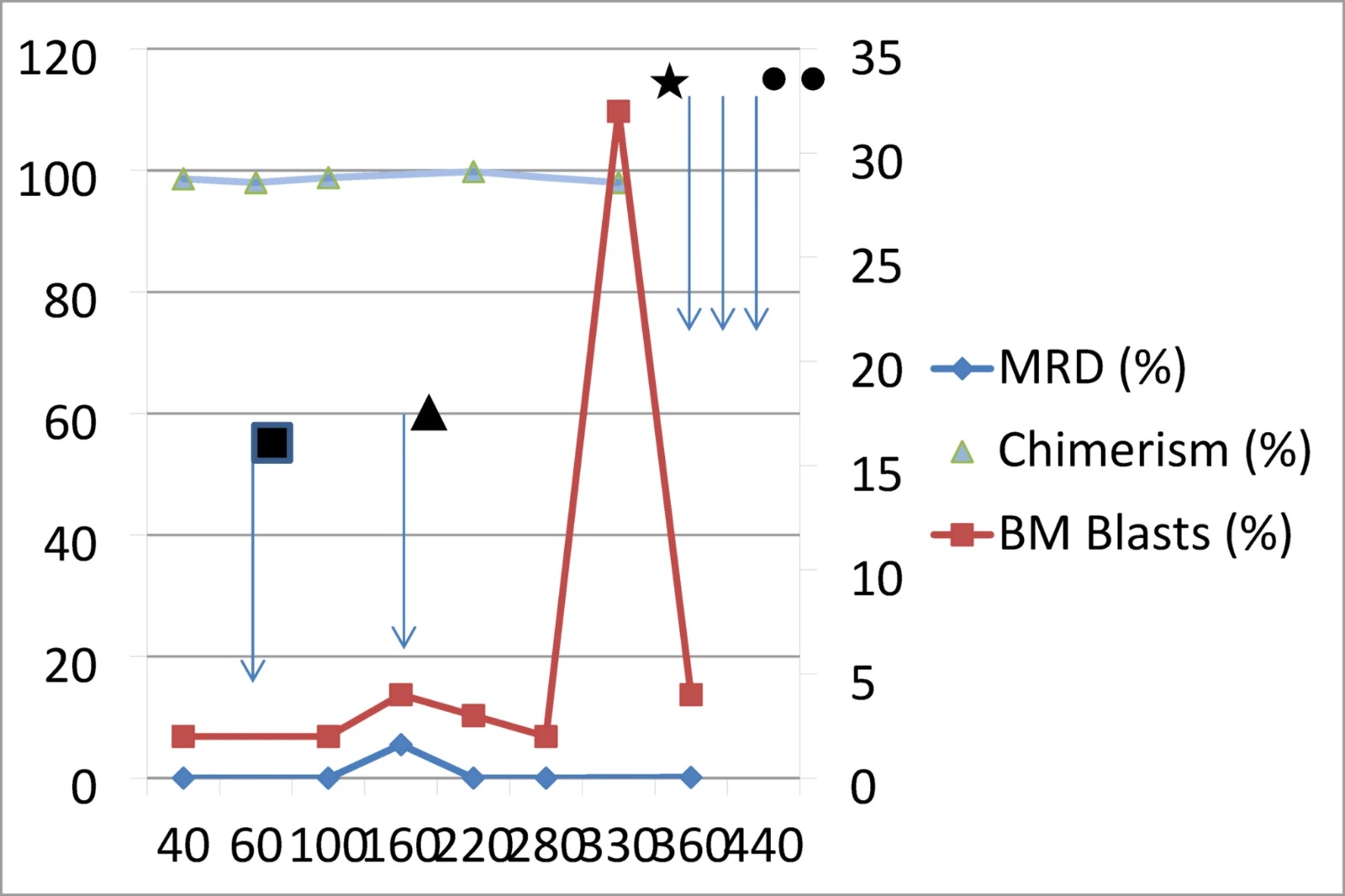
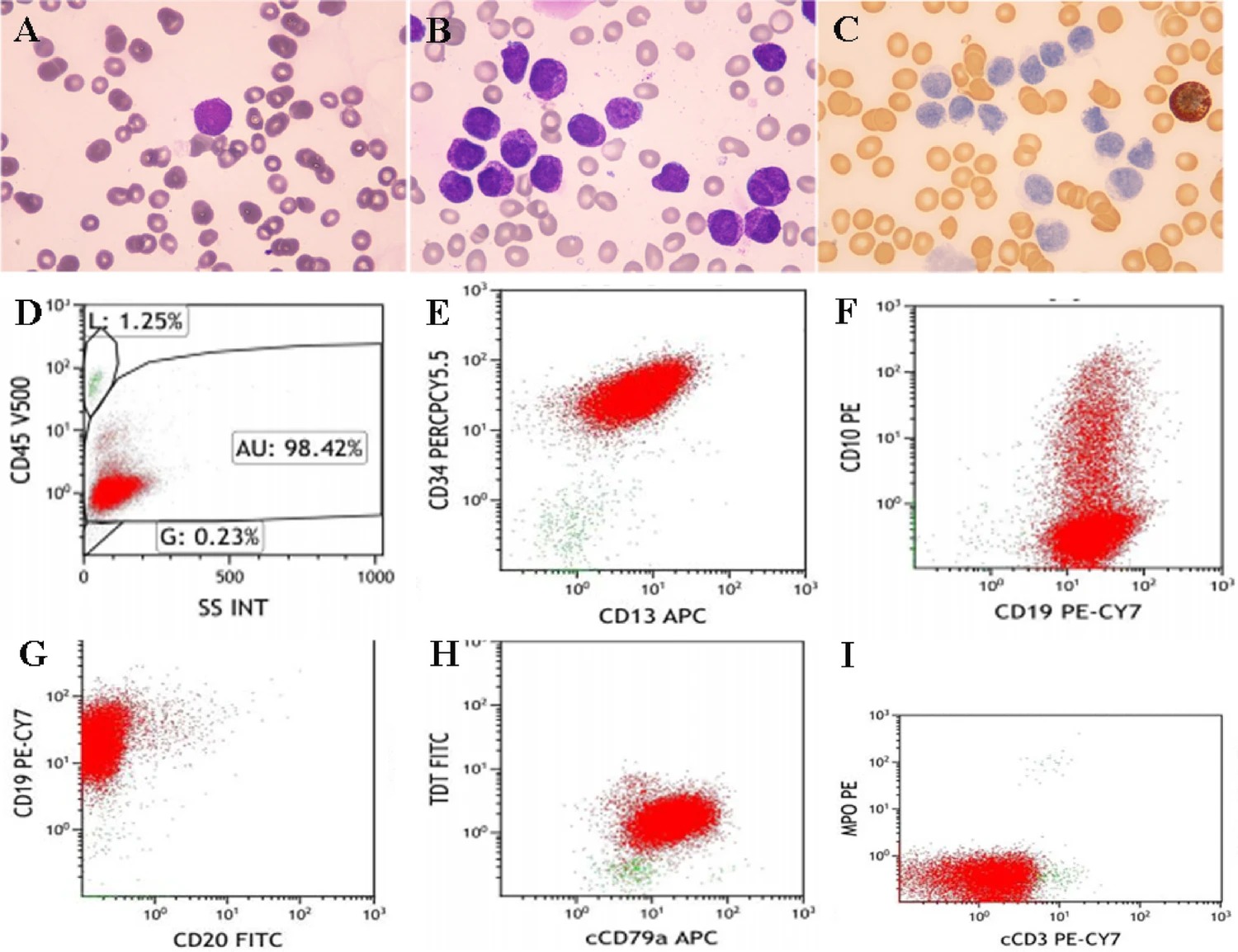
Acute Lymphoblastic Leukemia Relapsed with Lymphoblasts Involving Cerebrospinal Fluid

Looking for the help???

Call or WhatsApp Us On

Join ISHBT

One-time payment for membership: no annual subscription fee

Get discounted registration for vibrant annual meetings, interact with peers and experts, present your research

Become involved in national and international policy making and implementation in hematology

Participate in the ISHBT general body, contest elections for voluntary posts